

2026-09-07
The Chameleon Game: A Deceptive Delight
Explore the Chameleon game, a strategic social deduction game that challenges players to blend in and identify the imposter.
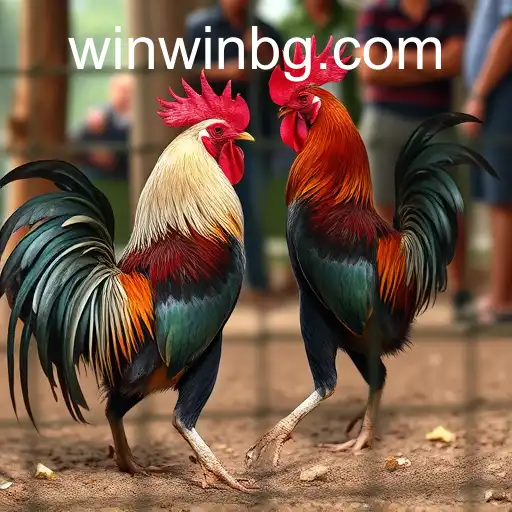
Jogos de sabong, commonly referred to in some cultures as cockfighting, is a traditional game that has been part of cultural heritage in several regions. This unique activity is steeped in history and has its rules, rituals, and communities that transcend generations. With the keyword gamefff, we can delve into the intricate aspects of this game, understanding its significance and the debates that surround it.
The term jogos de sabong refers to a game where two roosters, known as gamecocks, are placed in an arena to fight each other. These animals are specially bred for their strength, aggression, and combat abilities. The event is often accompanied by betting, making it an exciting pastime for spectators who engage both for entertainment and the possibility of financial gain.
Historically, sabong is thought to have originated in Asia, especially in countries like the Philippines and Indonesia. However, similar traditions have also been observed in parts of South America, Africa, and even certain sections of Europe. Each region has its variations and rules governing the conduct and ethical considerations of the game.
In countries like the Philippines, jogos de sabong is not just a pastime but a cultural phenomenon. It is deeply embedded within the community, often associated with fiestas, religious observances, and social gatherings. Gamefowl breeding is considered an art, with breeders taking great pride in producing strong and competitive gamecocks.
Moreover, sabong events offer a chance for communities to come together, providing opportunities for social interactions. As with other traditional games, it acts as a cultural thread that links the past to the present, maintaining historical lineages and local identities. Enthusiasts argue that sabong is a celebration of cultural heritage that should be preserved.
A typical jogos de sabong event involves a carefully set-up arena, often round or octagonal, where the fight occurs. Spectators surround this area, placing their bets on the rooster they believe will emerge victorious. The event starts with owners or handlers displaying their roosters, showcasing their physical condition and combat training.
Handlers are often skilled individuals who have spent substantial time training and caring for their birds. The gamecocks are equipped with small blades or gaffs attached to their legs, which they use during the fight. The match ends when one rooster is unable to continue, either due to submission or injury. While the fight's duration is unpredictable, it often results in an intense and fast-paced competition that captivates the audience.
The practice of jogos de sabong is not without its controversies. Animal rights organizations and welfare activists raise significant concerns about the ethicality of such sports. The primary argument against sabong is the inherent violence and cruelty towards animals, as the roosters often suffer severe injuries or die from their wounds.
In many regions, the practice is considered illegal, classified under animal cruelty laws. Despite this, enthusiasts argue that when regulated and conducted under humane conditions, sabong can continue to be part of cultural traditions. Proponents stress the importance of stringent rules and modern adaptations to minimize harm while celebrating the communal aspects of the game.
To address the ethical concerns, some proponents of jogos de sabong have suggested modern adaptations of the game. Ideas include reducing the use of blades, implementing strict guidelines on animal care, and enhancing regulatory oversight during events. The key is balancing the sport's cultural significance with contemporary ethical standards.
The future of sabong hinges on dialogue between cultural advocates, policymakers, and animal welfare groups. With proper regulation, the sport can maintain its historical importance while aligning with modern ethical considerations. The integration of these elements can ensure that future generations can continue to experience and appreciate this traditional game.
In conclusion, jogos de sabong represents a complex interplay of culture, history, entertainment, and ethical debates. As societies continue to evolve, so too must the traditions that stand on the horizon of change and preservation.
Explore the Chameleon game, a strategic social deduction game that challenges players to blend in and identify the imposter.

Uncover the mysteries of the ancient Egyptian tombs in the captivating game Curse of the Pharaoh Bonus Buy, where adventure, excitement, and fortune intertwine.

Explore the captivating world of JewelLuxury, a game that combines classic puzzle elements with modern elegance.